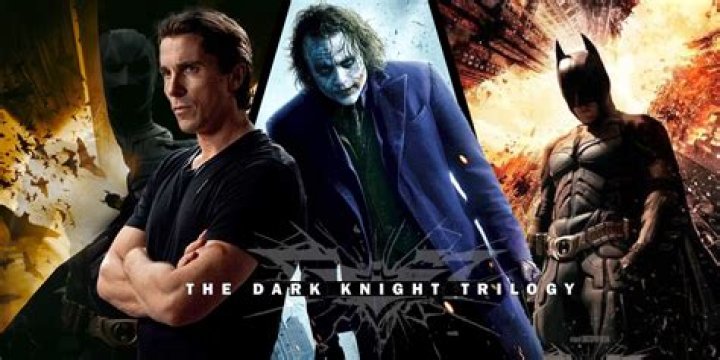

Christopher Nolan is nothing if not ambitious. Especially once he had the budgets, his films began to attain ever more extravagant heights, both visually and narratively, often with three of four plots squeezed into one film. That's certainly the case with The Dark Knight Rises, which interlinks the major stories of Bruce Wayne/Batman, Selina Kyle, Bane, Talia al Ghul, and John Blake with minor subplots involving Commissioner Gordon, Alfred, and many others. As with The Dark Knight, some of this material gets short shrift, and some of what could use more leisurely attention flies by too quickly. Eliminating a subplot or two could have streamlined the filmmaking.
But Nolan knows that a showman must continue to ratchet up the scope and the stakes for the audience, saving the most astounding material for last. The director compared the production of TDKR to D.W. Griffith's monumental silent epic Intolerance, still one of the most ambitious and elaborate productions ever undertaken. Like Griffith, Nolan gambles that audiences prefer more imagination and daring, not less, even if the result is not always the smoothest experience. The Dark Knight Rises can also be thought of as Nolan's Götterdämmerung, the final opera in Wagner's epic Ring cycle. It means "Twilight of the Gods," and imagines the crumbling of Valhalla. Nolan and his enormous cast and crew deliver a crumbling Gotham, with our contemporary gods — superheroes and supervillains — locked in mortal combat on the largest possible stage.