
Directed by Daniel Petrie Jr., "Toy Soldiers" hit theaters in 1991, with Sean Astin, Wil Wheaton, and Louis Gossett Jr. in starring roles. Astin and Wheaton play students Billy and Joey, who attend an elite all-boys prep school where Gossett's Edward Parker serves as the dean. One of their fellow students, Phil Donoghue, is the son of the federal judge presiding over the trial of a notorious Colombian drug kingpin, Enrique Cali. In an attempt to secure Cali's release, his son Luis orchestrates an armed takeover of the school, hoping to swap Enrique for Phil, who unbeknownst to Luis has already relocated to a secured location with his family. Though initially dismayed by Phil's absence, Luis realizes he has the children of America's wealthiest and most influential families as his hostages. However, Billy and Joey, along with a handful of other troublesome students, decide to fight back.
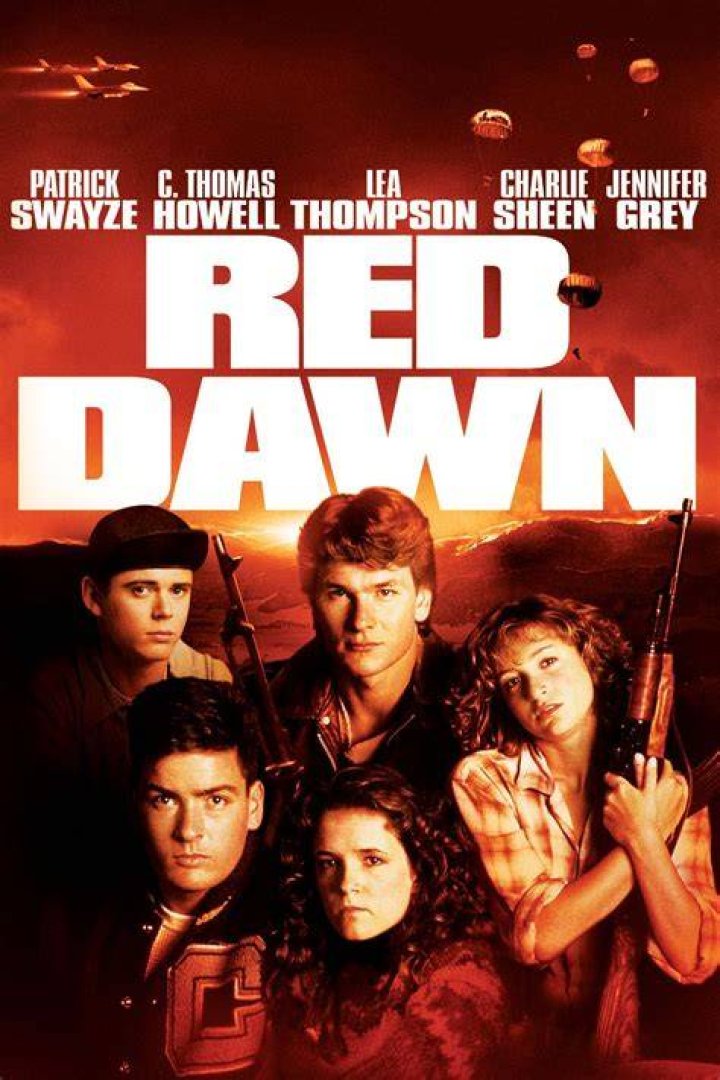
While the scale of the threat in "Toy Soldiers" is far smaller than the threat in "Red Dawn," the two films have multiple parallels. Whereas "Red Dawn" shocked audiences with its depiction of an invaded America and called into question its supposed unfaltering dominance, "Toy Soldiers" showed that the seemingly untouchable elite have exploitable weaknesses of their own, namely their children. Both films, instead of using hardened American troops, feature young students taking a stand for which they are relatively untrained. Both also used antagonists fitting for the era: "Red Dawn" uses the Cold War, while "Toy Soldiers" features the rising threat of foreign terrorists acting on American soil, which became true life after the 1993 bombing of the World Trade Center.
While "Toy Soldiers" may never become a classic film, it, like "Red Dawn," asked viewers to imagine the impossible while exposing vulnerabilities we'd like to ignore.