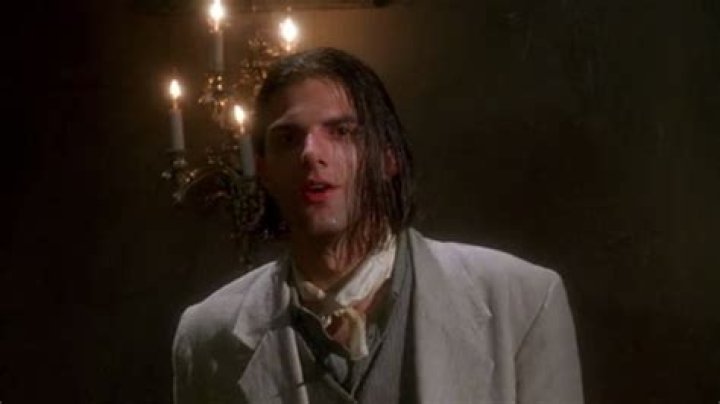

"Hellraiser: Bloodline" was supposed to take the series to the next level. Writer Peter Atkins, director Kevin Yagher, and Clive Barker set out to make a sequel that felt different from the others, while still remaining true to the "Hellraiser" mythos. If everything went according to plan, it would have been the most epic "Hellraiser" movie of the bunch. But as history has shown, "Hellraiser: Bloodline" had its soul torn apart by studio executives who wanted more monsters and gore.
"Hellraiser: Bloodline" chronicles the misfortunes of a cursed family, not unlike the original movie. The story follows the Lemarchand clan over three generations as a reincarnated toymaker/scientist attempts to right the wrongs of his ancestry. In short, his family is responsible for the creation of the iconic puzzle box that unleashes Hell. The story begins in 18th-century France, moves to present-day New York, and culminates in the year 2127 — on a space station. The film aimed for the cosmos, but it was too good to be true.
Paul Kane's terrific "The Hellraiser Films And Their Legacy" notes that the sequel initially clocked in at 110 minutes and Pinhead didn't make an appearance for the first 40. This didn't please the executives at Dimension Films, who demanded cuts, rewrites, reshoots, and more Pinhead. The ambitious, time-spanning story was condensed into an 85-minute movie that fails to live up to the creators' original vision. Still, you can still see what they were trying to achieve, which goes a long way.