
When "The Wind Rises" debuted in 2013, it was a departure for Hayao Miyazaki, whose films had up until that point been child-friendly fare. Conversely, "The Wind Rises" was rated PG-13 and spotlighted historically and emotionally weighty events like the great Kanto earthquake, the scourge of tuberculosis, and, of course, World War II.
That's not to say that Studio Ghibli had never engaged in matters of war. Miyazaki's "Porco Rosso" also captures the director's fascination with flight via a porcine pilot. Isao Takahata's "Grave of the Fireflies" poignantly depicts the horrors of the Second World War from the perspective of Japanese children, and Roger Ebert once praised it as one of the best war movies ever.
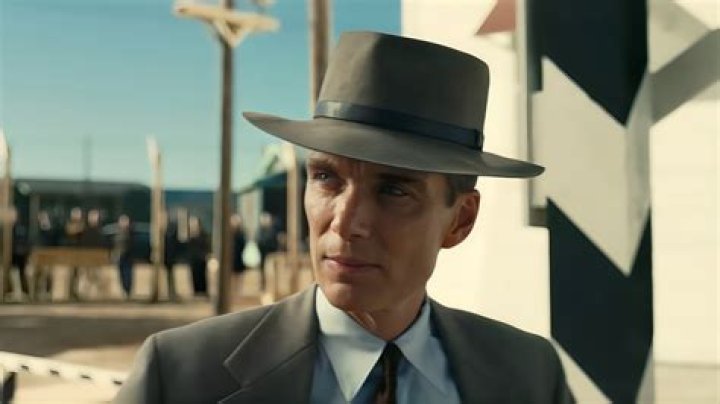
What connects "The Wind Rises" to "Oppenheimer," however, is the focus that both films place on the architects of their respective nations' inventions of war. Just as J. Robert Oppenheimer and Jiro Horikoshi viewed science as an artform, both men ultimately contended with the militaristic and capitalist framings in which their inventions are born, as well as the immensely violent fallout. As aircraft manufacturer Giovanni Battista Caproni intones at the end of "The Wind Rises," "Airplanes are beautiful, cursed dreams, waiting for the sky to swallow them up."